Technology and Innovation: The Use of Data in Product Creation by Shein and Industry Startups

The Impact of Data-Driven Strategies in Fashion
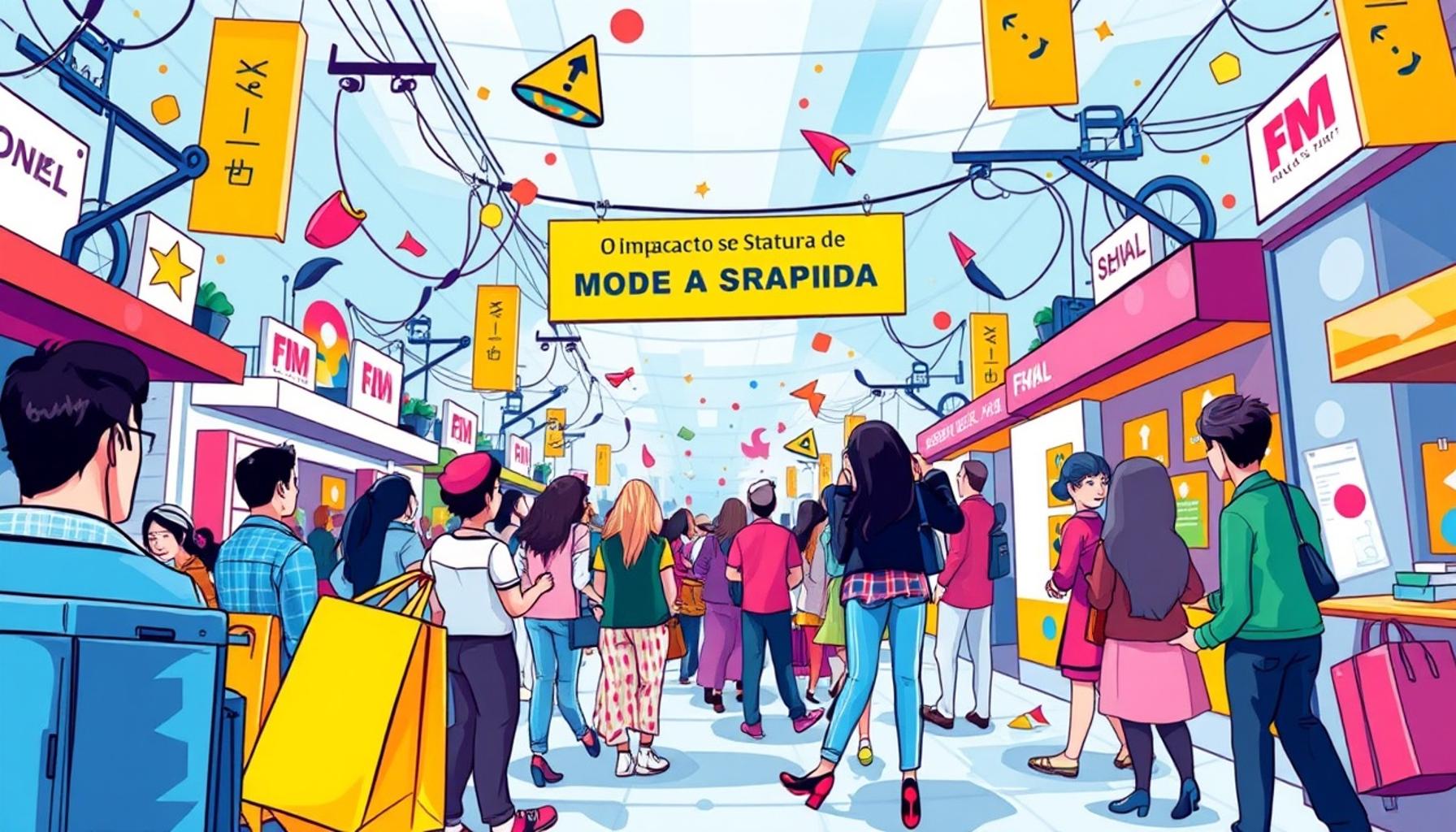
In today’s fast-paced retail environment, data has emerged as a crucial element in shaping product offerings. Major players like Shein and a myriad of innovative industry startups are leveraging advanced analytics to enhance their product creation processes. This transformation is not just about speed; it encompasses a fundamental shift in how brands interact with consumers. The notion of using data effectively in the fashion industry is quickly becoming a game-changer.
One of the foundational aspects of this data-driven approach is Consumer Insights. By analyzing purchasing trends and preferences, brands can tailor their product lines to better align with actual customer demand. For instance, Shein utilizes big data to track what styles and colors are trending on social media platforms like Instagram and TikTok. This real-time feedback loop allows them to quickly adapt their offerings, often launching new items in response to emerging trends within just a couple of weeks. In contrast, traditional fashion brands, which may operate on seasonal cycles, can find themselves at a disadvantage, unable to keep pace with the immediacy of consumer desires.
Another key element in this evolution is Rapid Prototyping. Utilizing data to streamline the design and production workflow leads to considerably quicker turnaround times. With the aid of sophisticated software, brands can visualize and prototype new clothing designs almost instantly before committing to production. This method reduces waste as designers can receive instant feedback on designs from consumers through online platforms, allowing them to fine-tune products according to public sentiment.
Personalization is also a significant trend. Brands now use algorithms to analyze individual consumer behavior—past purchases and browsing history—to suggest tailored product offerings. This kind of targeted marketing not only enhances customer satisfaction but can significantly boost sales conversions. Consider Amazon’s recommendation engine, which employs similar principles; fashion brands are adopting this model to create a shopping experience where consumers feel as though the products were selected just for them.
The implications of these strategies stretch beyond just the products being sold. They redefine the relationship between fashion brands and their audiences. In this landscape, consumers are no longer passive buyers; they are active participants in the creation process. Brands that cultivate a more interactive and engaging shopping experience are not just appealing to consumer expectations but are also securing their positions in an increasingly competitive market.
This article delves into how Shein and other startups harness data to disrupt traditional models and pave the way for new paradigms in fashion. In examining the fascinating intersection of technology and innovation in product creation, it becomes evident that these practices not only promise to reshape the future of retail but also redefine what it means to be a fashion brand in the 21st century.
DISCOVER MORE: Click here for insights on real-time data analysis
Harnessing Data for Enhanced Product Development
As the world becomes increasingly intertwined with technology, the fashion industry is experiencing a profound transformation driven by data analytics. Companies like Shein and innovative startups are redefining how products are created and marketed, moving from a traditional, seasonally-driven model to a more agile, consumer-oriented approach. The heart of this evolution lies in the strategic use of data to inform every stage of product development.
Market Analysis is a pivotal factor that drives success in data utilization. Shein, for example, employs advanced algorithms to synthesize vast amounts of information from customer data, social media trends, and sales patterns. This practice goes beyond simple number crunching; it facilitates a deeper understanding of market demands. Retail analytics tools help identify the hottest trends, allowing Shein to introduce new designs just in time to capitalize on consumer interest. According to a recent report from the Pew Research Center, 71% of consumers are more likely to purchase products from brands that reflect their personal style and values, highlighting the need for brands to be in tune with contemporary tastes.
Moreover, Supply Chain Optimization significantly benefits from data-driven strategies. By channeling data insights into their logistics and management processes, companies can smarten their operations and reduce overhead costs. For instance, Shein closely monitors customer demand and optimizes its inventory based on real-time data, thereby minimizing excess production. This adaptive approach not only ensures that the right products are available at the right time but also reduces waste, aligning with the growing consumer expectation for sustainability in fashion.
Product Testing has also evolved with the advent of technology. Brands are increasingly tapping into customer feedback through product review platforms and social media to gauge consumer response to new launches. Some startups are even utilizing virtual reality tools to create immersive experiences for customers, allowing them to visualize how products might look and feel before their official launch. This level of engagement not only fosters a strong customer-brand relationship but provides invaluable insights that can be leveraged for further iterations of products.
In addition, the introduction of Artificial Intelligence (AI) is revolutionizing how brands predict trends and tailor their offerings. Machine learning algorithms analyze historical purchase data and can forecast future buying behavior with impressive accuracy. By predicting styles that will resonate with consumers, Shein and other startups can make educated decisions about design and inventory, ensuring that they stay ahead of the competition.
Ultimately, these data-centric strategies are allowing brands to not only meet consumer needs more effectively but also create products that resonate on a personal level. As more companies embrace technology, the fashion industry’s landscape will continue to shift, presenting both challenges and opportunities for established and emerging players alike. The ability to innovate and adapt based on data insights will be the defining feature of successful brands in the years to come.
| Advantage | Description |
|---|---|
| Rapid Prototyping | Data-driven insights allow companies like Shein and startups to quickly design and test new products, reducing time to market. |
| Enhanced Customer Personalization | Personalized recommendations based on data analytics create a more engaging shopping experience, attracting repeat customers. |
In the realm of technology and innovation, the use of data in product creation has revolutionized how companies like Shein operate and how industry startups can compete. Rapid prototyping eliminates the traditional long wait times for product development, allowing brands to adapt quickly to trends. This speed is essential in the fast-paced fashion world, where consumer preferences can shift overnight. Moreover, enhanced customer personalization stands out as a game changer. By utilizing consumer data, Shein tailors promotional efforts, suggesting products that align with individual tastes and preferences. This level of engagement is not just a trend; it signifies a deeper understanding of customer needs, fostering loyalty and satisfaction in a crowded market. As companies harness advanced analytics and machine learning algorithms, they open the door to new opportunities, making it essential for competitors to keep pace with technological advancements. The symbiosis between data and creativity is just beginning to reshape the industry landscape.
DIVE DEEPER: Click here to learn more</
Customizing Experiences Through Personalization
The ever-evolving landscape of technology is not just enhancing production efficiency; it is also leading to a wave of personalization that places consumers squarely at the center of the shopping experience. Shein and various startups are leveraging data to create personalized product offerings that resonate on an individual level. This data-driven personalization is critical in an era where consumers value individuality and demand a shopping experience that reflects their unique preferences.
One way brands are achieving this is through advanced segmentation techniques. Instead of grouping customers by broad characteristics, companies harness detailed data analytics to create micro-segments. Shein, for example, employs customer data from multiple touchpoints, including browsing history, purchase patterns, and user demographics, to tailor marketing messages and product recommendations. A study by McKinsey & Company indicates that personalization can increase marketing effectiveness by 20% or more, showcasing the financial incentives for brands to invest in such strategies.
Dynamic Pricing is another innovation spurred by data analytics. Startups in the fashion sector can adjust prices in real-time based on consumer demand, competition, and inventory levels. By using machine learning models, companies can identify price elasticity and optimize their pricing strategies accordingly. This capability not only enhances sales but also encourages consumer engagement, as customers are often drawn to limited-time offers that create a sense of urgency, driving conversions.
The integration of social listening tools further amplifies brand strategies. Shein taps into platforms like Twitter and Instagram to gather insights about customer sentiment and opinions regarding trends and products. Social media channels serve as powerful feedback mechanisms, providing brands with real-time insights into consumer emotions and preferences. Furthermore, by analyzing hashtags and user-generated content, companies can predict shifts in fashion trends before they hit the mainstream market.
Virtual Pop-ups and Augmented Reality (AR)
As the age of digital shopping continues, emerging technologies such as Augmented Reality (AR) are becoming indispensable in enhancing customer experiences. Some startups are utilizing AR to provide virtual fitting rooms, where consumers can visualize how clothes would look on them without trying them on in-store. This not only provides a fun and engaging shopping experience but also reduces the return rates—a significant challenge for the fashion industry. Research from Statista has found that AR can reduce return rates by over 30%, underscoring the value it adds both to customer satisfaction and company bottom lines.
Collaboration with tech companies also plays a crucial role in building data analytic capabilities. Partnerships with AI developers allow fashion brands to access innovative technologies that facilitate better data interpretation and trend forecasting. Such collaborations empower companies to refine their product offerings and enhance marketing strategies, ensuring they remain competitive in a fast-paced market.
The importance of customer loyalty programs that leverage data cannot be overlooked. By rewarding customers for their purchases and social media engagement, brands can gather vital data on customer preferences while cultivating brand loyalty. Shein’s point-based system rewards shoppers for not just buying but also sharing feedback and influencing others—a savvy way to collect rich datasets that drive future product development.
As more brands invest in data-driven technologies, the creation and marketing of products will continue to evolve. The fusion of creativity and analytical insights promises an exciting landscape for both established players like Shein and innovative startups looking to carve out their niche in the fashion industry. The journey toward a more personalized, data-informed marketplace is not just a trend; it’s becoming the new standard in consumer engagement.
DIVE DEEPER: Click here to discover more about augmented reality in shopping</p
Conclusion: The Future of Fashion in a Data-Driven World
The transformative power of technology and innovation is reshaping the fashion industry, particularly through the strategic use of data in product creation. Brands like Shein and emerging startups are taking bold steps into the future by embracing data-driven methodologies that not only streamline production but significantly enhance the consumer experience. The ability to customize product offerings through advanced analytics and personalized marketing is not merely a competitive advantage; it has become a vital expectation among today’s consumers.
The adoption of dynamic pricing and social listening tools further exemplifies how the industry is evolving to meet consumer demands. With real-time adjustments and insights drawn from social media sentiment, brands can better anticipate trends and capitalize on market opportunities. Moreover, the integration of Augmented Reality (AR) into the shopping experience is revolutionizing how consumers interact with products, making shopping more enjoyable and efficient while addressing prevalent challenges, such as high return rates.
As innovation continues to accelerate, the incorporation of data analytics in product development will likely pave the way for even more captivating and tailored experiences. The fashion landscape is on the brink of a major shift, where customer-centric data strategies will not just augment brand loyalty but redefine what it means to engage with consumers. Moving forward, staying attuned to technological advancements and consumer feedback will be paramount for companies aiming to survive and thrive in this dynamic marketplace.
In essence, the journey towards a data-informed fashion industry is just beginning, but its trajectory promises to be one of enhanced creativity and connectedness, ultimately shaping a new era of fashion that prioritizes individuality and engagement. Businesses that harness these innovations today will undoubtedly lead tomorrow’s trends, ensuring their relevance in a rapidly changing world.

Linda Carter
Linda Carter is a digital business trends writer and strategist specializing in emerging technologies and online revenue models. With extensive experience helping entrepreneurs and professionals adapt to the digital economy, she shares actionable insights on our platform about monetization strategies, consumer behavior shifts, and next-wave innovations. Her goal is to empower readers with practical frameworks to future-proof their businesses and capitalize on digital opportunities.