The Impact of Fast Fashion Startups on Shein’s Business Model
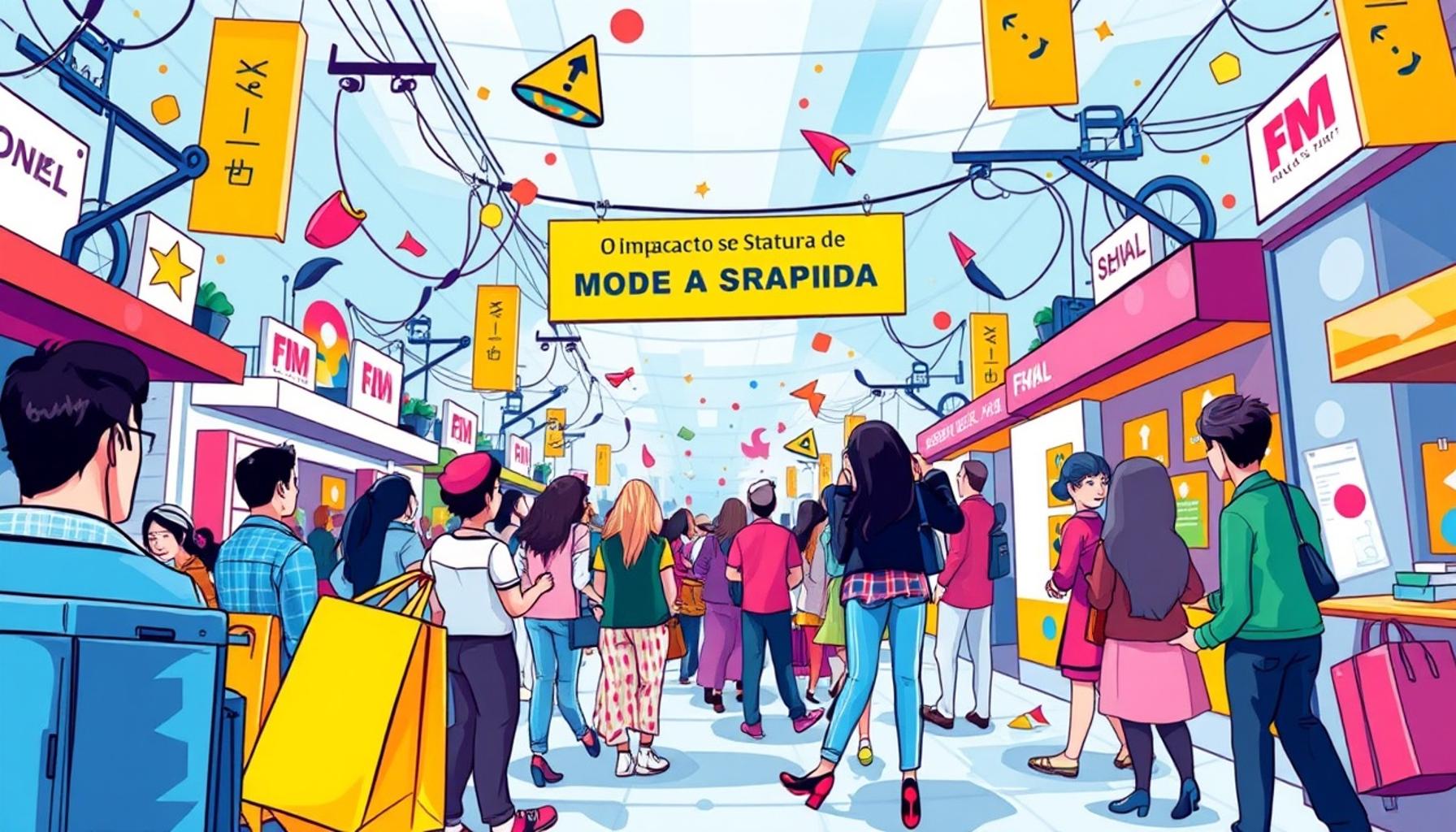
The Transformation of Fashion Retail
Over the past few years, the fashion industry has experienced profound changes driven by the rise of fast fashion startups. These innovative companies are not only influencing consumer shopping habits but also compelling established retail giants like Shein to rethink their operational strategies. A defining characteristic of these new entrants is their nimble approach to sourcing, production, and marketing, which allows them to respond rapidly to trends and consumer preferences.
Factors Driving Disruption in Fashion
Several key factors contribute to this drastic disruption in the retail landscape:
- Innovative Marketing Strategies: Fast fashion startups often harness the power of social media influencers, utilizing platforms like Instagram, TikTok, and Pinterest to engage a younger demographic. These influencers showcase products in a relatable context, making the items appealing and increasing their desire for trendy, affordable fashion. For instance, brands such as Boohoo and ASOS frequently collaborate with fashion-forward influencers to create buzz around their collections, resulting in viral marketing campaigns that traditional retailers struggle to match.
- Sustainable Practices: A significant number of new fashion brands prioritize sustainability in their business models, aligning with the values of environmentally-conscious consumers. Companies like Reformation and Everlane emphasize eco-friendly materials and transparent production processes, appealing to younger shoppers who increasingly prioritize ethical consumption. This mindful approach is pushing established players like Shein to re-evaluate their own practices in light of growing consumer demand for sustainability.
- Unique Product Offerings: Fast fashion startups are known for their agility in launching unique and niche designs quickly. Their ability to closely monitor social media trends and respond in real-time allows them to cater to highly specific consumer tastes. For instance, the popularity of cottagecore aesthetics among Gen Z has led brands to produce collections that align perfectly with this trend, showcasing how quickly these startups can pivot their offerings to meet market demands.
Challenges for Established Retailers
This rapidly changing environment necessitates an examination of Shein’s current business model. The company’s overwhelming emphasis on low-cost, high-volume production has raised ethical questions regarding labor practices and environmental impact. As consumer awareness of these issues grows, brands that do not adapt may find themselves losing market relevance.
The implications of this retail disruption go beyond mere market share shifts. They also challenge the traditional notions of fashion consumption, the cultural significance of clothing, and the ethical ramifications of fast fashion’s business practices.
Looking Forward
By understanding these dynamics, stakeholders can gain insights into the future of retail. The emergence of new players in the fast fashion sector exemplifies the need for established brands like Shein to innovate and perhaps adopt more responsible practices to ensure their longevity in a market that is rapidly evolving.
As consumers continue to demand more transparency and sustainability, the fashion industry stands at a crossroads. Will it pivot towards a more ethical and sustainable future, or will the fast pace of fashion ultimately undermine these efforts? Time will tell, but one thing is clear: the landscape of retail is transforming in ways that are difficult to ignore.
DISCOVER MORE: Click here to learn more
The Dynamic Landscape of Fast Fashion
The rise of fast fashion startups has reshaped the fashion retail industry, creating an arena that is not only fast-paced but also highly competitive. As established giants like Shein grapple with this overnight evolution, they must adapt quickly to a rapidly changing market landscape. Understanding the factors fueling this transformation offers insights into how new entrants are influencing consumer behavior and challenging traditional business models.
The Power of Digital Engagement
Central to the success of these fast fashion startups is their ability to leverage digital marketing and social media platforms. Unlike conventional advertising methods, today’s fashion brands are placing a high premium on engaging storytelling and visual content that resonate with younger audiences. A report shows that approximately 80% of Gen Z consumers are influenced by social media when shopping, making platforms like Instagram and TikTok invaluable for brands aiming for relevance.
Successful startups harness the influence of micro and macro-influencers to generate buzz around products. This method creates organic reach and fosters brand loyalty among consumers who appreciate relatable endorsements. Brands such as Boohoo and PrettyLittleThing frequently implement influencer partnerships that rapidly spread awareness, positioning them as accessible and trendy alternatives to longstanding retailers like Shein. The challenge for Shein lies in maintaining its market share amid the growing effectiveness of these grassroots marketing efforts.
Consumer Expectations and Sustainability
The demand for sustainable practices has never been more pronounced. Younger consumers are increasingly prioritizing ethical considerations when making purchasing decisions. Fast fashion startups like Reformation and Allbirds are leading the charge by integrating eco-friendly materials and transparent supply chains into their business practices. This shift is forcing established players, including Shein, to take a hard look at their environmental footprint and labor policies to align with the evolving consumer mindset.
The push toward sustainability has also prompted startups to innovate with new materials and production techniques that minimize waste. For instance, some brands are using recycled materials to create stylish pieces, addressing the pressing issue of textile waste. This ongoing trend presents a significant challenge for Shein, which has been criticized for its quick-turnover model that emphasizes volume over sustainability. If Shein continues to lag in adopting responsible production methods, it risks alienating a market segment that increasingly values eco-consciousness.
Rapid Product Development and Niche Markets
The agility of fast fashion startups in delivering unique and on-trend products at an unprecedented pace allows them to cater to niche markets. Their data-driven approach, analyzing real-time social media trends, enables them to launch new collections almost overnight, far outpacing the operational capacities of traditional brands. As these startups gain traction with specific subcultures—be it Streetwear, Athleisure, or Normcore fashions—they challenge Shein to rethink its inventory strategies, which tend to focus on broad appeal.
In light of these factors, Shein is not just facing new competition but also the necessity to overhaul its entire business model. As consumers become increasingly discerning, the implications of this fast fashion evolution will dictate the future direction of Shein and similar retailers. Understanding and responding to these changes is key to thriving in an environment where speed and sustainability are paramount.
| Advantage | Description |
|---|---|
| Innovation in Design | Fast fashion startups bring fresh and unique designs, often aligning with the latest trends faster than established brands. |
| Competitive Pricing | Startups often offer lower prices, compelling Shein to adapt its pricing strategies in order to maintain market share. |
| Targeted Marketing | Emerging brands utilize social media and influencers to effectively reach Gen Z and young millennials, amplifying their impact. |
| Agility in Production | Startups leverage technology for rapid production cycles, challenging Shein’s established supply chain advantages. |
The ever-evolving landscape of the fast fashion industry is significantly shaped by the rise of innovative startups. Their ability to adapt quickly to fashion trends conflicts with Shein’s existing business model, providing consumers a diverse range of options. As profit-driven ventures, these startups are able to explore unique marketing strategies that capture the youth demographic’s attention. By emphasizing tech-driven solutions, they manage to produce garments promptly and at a competitive price point, embedding a culture of fast consumption. This burgeoning competition nudges larger brands like Shein to reconsider their operational tactics, quality controls, and even their sustainability initiatives. With a shift towards transparency becoming paramount, Shein must navigate the pressures of an industry increasingly conscious about not just style but ethical responsibility. As the spotlight on fashion consumption intensifies, exploring these dynamics becomes crucial to understanding Shein’s future trajectory.
DISCOVER MORE: Click here to delve into the world of fashion algorithms</
Adoption of Innovative Technologies
In a world dominated by technology, fast fashion startups are swiftly adopting innovative technologies such as artificial intelligence (AI) and augmented reality (AR) to enhance the consumer experience. These technologies provide deeper insights into consumer preferences and behaviors, enabling brands to optimize their offerings. For instance, AI algorithms can analyze vast amounts of data from social media and online shopping trends, allowing these startups to predict styles that their target audience craves almost instantaneously.
Another frontier being explored is the use of augmented reality, which allows customers to try on clothes virtually before making a purchase. Companies like Zalando and ASOS are pioneering these features, enhancing user experience and reducing return rates—an issue that has consistently plagued the fashion industry. Such technological advances not only attract tech-savvy consumers but also push brands like Shein to innovate or risk falling behind. If Shein fails to integrate these high-tech solutions into its business model, it risks losing appeal to a demographic that increasingly seeks personalization and convenience in retail experiences.
The Shift Towards Collaborations and Limited Releases
Another compelling strategy that fast fashion startups are leveraging is the collaboration with high-profile designers and influencers. By engaging with established designers or celebrities, these brands create buzz around limited-edition collections that attract both press attention and consumer interest. For example, the collaboration between H&M and designers like Balmain has become a blueprint for limited availability driving consumer urgency, leading to immediate sell-outs.
Shein, initially renowned for its constant product availability, faces the challenge of standing out in a sea of options. As competitors emphasize exclusive releases, the urgency and excitement factor that comes with limited editions could see Shein’s market share eroded if they do not adopt similar strategies. In this competitive landscape, hesitation from Shein to explore innovative collaborations could further alienate trendsetters who crave novelty.
Changing Retail Paradigm and Diverse Pricing Strategies
The retail paradigm is evolving and fast fashion startups are challenging established pricing models. By experimenting with pricing strategies, including discounts, membership pricing, and subscription services, new entrants are enticing consumers looking for bargains. For instance, brands like Forever21 and Fashion Nova are known for their dynamic pricing tactics that can encourage impulse purchases amongst consumers motivated by value.
On the other hand, Shein has implemented its highly competitive pricing structure; however, the influx of startups employing similar or even lower pricing schemes poses immediate threats. These startups often utilize a hybrid approach by combining low prices with exclusive designs, having prominent influencers promote them, which pulls attention away from Shein’s offerings. If Shein does not remain vigilant about its pricing and promotional strategies, it could lose its position as a go-to destination for affordable fashion.
Emphasizing Customer Experience and Feedback
Fast fashion startups are honing in on the need to create a holistic customer experience. By actively seeking feedback and iterating on that input, brands can foster a cycle of continuous improvement that resonates with consumers. Platforms that allow customer feedback, such as live chats and community forums, provide valuable insights into market needs and preferences.
Shein, which has historically focused on transactional relationships with its customers, may need to evolve into a brand that not only sells but listens. Engaging consumers in co-creation processes or allowing them to curate collections can build loyalty in an age where brand-consumer relationships are paramount. As customer feedback systems become more integrated into the purchasing process, those brands willing to embrace this model stand to gain long-term advantages.
DISCOVER MORE: Click here to learn about Shein’s innovative approach</p
Conclusion
The rise of fast fashion startups has inevitably reshaped the landscape of the fashion retail industry, posing significant challenges and opportunities for established players like Shein. As these emerging brands leverage innovative technologies, bold collaborations, and dynamic pricing strategies, they are not only attracting a growing base of consumers but also setting new standards for customer expectations. This competitive environment forces Shein to rethink its traditional business model that once garnered a reputation for affordability and accessibility.
To remain relevant, Shein must embrace the integration of advanced technological solutions such as AI and AR, enhancing the shopping experience while addressing the increasing demand for personalization. Furthermore, the trend toward exclusive collaborations and limited-edition releases presents a viable avenue for Shein to rekindle consumer excitement and urgency around its products. Engaging customers through feedback loops and community-driven initiatives could enable the brand to foster deeper connections and restore loyalty.
Ultimately, the fast-paced evolution of the retail environment means that Shein’s survival hinges on its ability to adapt swiftly while focusing on creating a compelling customer experience. By recognizing these shifts and proactively responding to them, Shein can not only defend its current standing but also pave the way for future growth. The question remains: will Shein harness these opportunities, or will it find itself swept away by the relentless tide of fast fashion innovation?

Linda Carter is a digital business trends writer and strategist specializing in emerging technologies and online revenue models. With extensive experience helping entrepreneurs and professionals adapt to the digital economy, she shares actionable insights on our platform about monetization strategies, consumer behavior shifts, and next-wave innovations. Her goal is to empower readers with practical frameworks to future-proof their businesses and capitalize on digital opportunities.