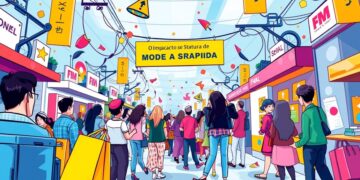
The Impact of Startups on the E-commerce Revolution: The Shein Case

Understanding the Emergence of Shein and Similar Startups
The e-commerce arena has undergone a remarkable transformation, primarily driven by the emergence of innovative startups that redefine the shopping experience. Among these, Shein has carved a niche for itself, not merely as another online retail store, but as a trendsetter that dramatically alters how consumers engage with fashion. By meticulously analyzing market trends and harnessing state-of-the-art technology, Shein and similar startups have reimagined the e-commerce landscape, often outpacing traditional retailers.
What Sets Shein Apart?
- Rapid Fashion Trends: One of the defining features of Shein is its ability to harness the latest fashion trends and deliver products to consumers at lightning speed. Unlike traditional retail models that may require months to produce and release a new line, Shein can go from concept to online showcase in just a few weeks. This approach capitalizes on real-time social media data, allowing them to identify trending styles within days. For example, during fashion events or influencer promotions, Shein can quickly produce and launch similar items, effectively satisfying the immediate demand.
- Data-Driven Decisions: At the heart of Shein’s strategy is a reliance on artificial intelligence and big data analytics. By analyzing purchasing patterns, social media interactions, and even customer feedback, Shein tailors its product offerings with an unprecedented level of accuracy. This ensures that the items available on its platform resonate with consumer demands, enhancing the chance of sales while minimizing unsold inventory—a common pitfall in traditional fashion retail.
- Global Reach: Shein’s success isn’t confined to the domestic market; it actively engages a vast array of global consumers, including young adults and teens throughout the U.S. The company’s localized marketing strategies often involve collaborations with influencers who resonate with these demographics, creating a sense of community and fostering brand loyalty across diverse markets.
The influence of startups like Shein extends beyond mere product offerings. They challenge conventional retail paradigms and empower consumers by fostering direct connections through innovative digital platforms. Such changes are significant, as we see long-standing retail giants reassess their strategies in light of Shein’s success.
Why Consider Shein?
- Pricing Strategy: Shein’s pricing model is another pivotal factor in its rise. Offering trendy clothing at competitive prices appeals particularly to budget-conscious shoppers, especially college students looking for fashionable choices without the hefty price tags often associated with other retailers.
- Community Engagement: The brand has cultivated a robust social media presence, fostering a loyal community. Platforms like Instagram and TikTok allow Shein to engage directly with consumers, enabling them to share reviews, style tips, and personalized outfits, all of which enhance the shopping experience and encourage repeat purchases.
- Sustainability Concerns: While Shein’s rapid growth is impressive, it’s not without its skeptics. Ongoing debates surround its impact on sustainable fashion practices. Critics argue that such fast fashion contributes to waste and resource depletion. As consumers become increasingly aware of sustainability, how Shein addresses these concerns could determine its longevity in the highly competitive e-commerce landscape.
By examining the dynamics at play, it becomes evident that startups like Shein are not just disrupting traditional retail; they are crucial players shaping the future of e-commerce. Their blend of cutting-edge technology, keen market insights, and agile business models provides valuable lessons for both new entrants and established companies in the retail sector. As the shopping experience continues to evolve, understanding Shein’s role can offer a clearer picture of the trends that will define the future of online shopping.
DIVE DEEPER: Click here to learn more about the e-commerce evolution
The Business Model Revolution: Insights from Shein
In the competitive world of e-commerce, Shein’s business model offers a compelling example of how startups can disrupt established norms and lead the charge towards innovation. At the core of Shein’s approach is the concept of ultra-fast fashion, which shifts the paradigm from traditional fashion cycles to a quicker, more responsive system, allowing them to meet consumer preferences with remarkable efficacy. This model has not only helped Shein surge to the forefront of the fashion retail space but has also forced larger, conventional retailers to rethink their strategies in order to keep pace.
Pillars of Shein’s E-commerce Strategy
- Accessibility and Inclusivity: Shein caters to a broad demographic, ensuring that its offerings span various sizes, styles, and price points. This inclusivity resonates particularly well within the U.S. market, where diverse shopping preferences exist. By focusing on affordability while not sacrificing style, Shein eliminates barriers that often deter budget-conscious consumers, making fashion accessible to a wider audience.
- Diverse Product Range: The sheer breadth of products offered is striking. From trendy apparel to lifestyle accessories, Shein’s platform is a one-stop shop for young consumers who seek variety and novelty. This strategy directly contrasts with traditional retailers, often limited to seasonal collections. For today’s shoppers, the ability to discover new items regularly enhances the shopping experience, encouraging impulse purchases and increasing overall sales.
- Personalization Through Technology: Leveraging AI tools enables Shein to customize offerings based on individual consumer behavior. By analyzing user preferences, past purchases, and browsing history, the startup tailors its marketing strategies to provide a personalized shopping experience. This degree of personalization not only increases customer satisfaction but also fosters a sense of loyalty among shoppers.
As a result of integrating these strategies, startups like Shein highlight a significant trend in the e-commerce sector: the power of consumer-centric business practices. Traditional retailers, which often rely on established branding and slow-moving inventory cycles, are feeling the pressure to adapt. The rise of Shein presents a unique case study in how agility and responsiveness, paired with the latest technology, create a competitive edge in a market that evolves rapidly.
The Ripple Effect on Traditional Retail
Shein’s success prompts a reevaluation of established business models. As traditional retailers scramble to adopt similar strategies, the landscape of e-commerce is shifting. Retail giants like H&M and Zara are rethinking their approaches, realizing that in a world dominated by digital natives, catching up means embracing the ethos of rapid, data-driven decision-making. This shift signifies a potential revolution in how retailers understand consumer needs and respond to market trends.
In summary, Shein serves as a catalyst for change within the e-commerce arena, teaching valuable lessons about rapid innovation, consumer engagement, and the importance of a flexible business model. As the foundations of traditional retail continue to be challenged, the impact of startups like Shein on the e-commerce revolution remains profound and increasingly relevant.
E-commerce has undergone a significant transformation over the past decade, driven largely by the emergence of innovative startups that challenge traditional retail frameworks. One standout example is Shein, a fast-fashion powerhouse that has not only thrived but reshaped the entire online shopping landscape. Startups like Shein demonstrate a unique ability to leverage technology, providing insights into consumer behavior and preferences, thereby creating a more personalized shopping experience.The rise of Shein underscores the importance of agility and rapid adaptation in the e-commerce sector. Unlike conventional retailers, Shein utilizes a data-driven approach to analyze trending styles and consumer demands almost in real-time. By adopting fast-fashion principles, they can swiftly bring new products to market, often within weeks of identifying a bid trend. This strategy highlights a broader shift where startups can outpace larger, established players in speed and flexibility.Moreover, Shein’s business model emphasizes social proof and community engagement. Through active social media marketing and influencer partnerships, they cultivate a sense of community among shoppers who share their style experiences online. This engagement not only helps in building brand loyalty but also fosters a co-creation space where consumers influence future collections, a feature rarely seen in conventional retail paradigms.In addition to redefining consumer interaction, startups like Shein have revolutionized supply chain management. Their ability to streamline operations—from sourcing materials to logistics—enables them to offer competitive pricing without compromising quality. This efficiency disrupts traditional supply chains and challenges other brands to reconsider their operational strategies. As we delve deeper into the impact of startups like Shein on the e-commerce revolution, it’s clear that these innovations are setting new standards for customer experience and operational efficiency, making them invaluable case studies for understanding the future of online retail.
DISCOVER MORE: Click here to dive deeper
Community Engagement and Social Media Influence
In addition to its innovative business model, Shein has adeptly harnessed the power of community engagement and social media to forge a deep connection with its consumers. The startup’s emphasis on engaging with customers transcends traditional marketing efforts; it has moved toward fostering a vibrant online community that drives brand loyalty and advocacy. Through platforms like Instagram, TikTok, and Pinterest, Shein cultivates a unique relationship where users not only consume content but actively participate in the conversation.
User-Generated Content: A Game Changer
One of Shein’s standout strategies is its promotion of user-generated content (UGC). The brand encourages customers to share their outfits and styling tips on social media, creating a plethora of organic content that drives engagement. Hashtags like #SheinHaul or #SheinStyle inspire shoppers to showcase their purchases, often resulting in viral trends and challenges. This not only boosts brand visibility but also creates a sense of belonging within a community of like-minded fashion enthusiasts.
Moreover, Shein often collaborates with micro-influencers who resonate with niche audiences, thus expanding its reach. Research shows that partnering with influencers can amplify brand messages, particularly when their followers perceive them as relatable and authentic. As traditional marketing strategies dwindle in effectiveness, the agility with which Shein operates in this space showcases a critical shift in how e-commerce brands engage with potential consumers.
Data-Driven Engagement: Real-time Feedback
An important facet of Shein’s digital strategy is its ability to collect and analyze vast amounts of data from interactions across various platforms. By systematically evaluating feedback through user comments, reviews, and social interactions, Shein can swiftly pivot its offerings to align with current consumer desires. This real-time feedback loop enables the brand to introduce trending styles almost instantaneously, reinforcing its ultra-fast fashion model.
According to a recent survey, 62% of active online shoppers reported that they are more likely to purchase from brands that they feel have a strong online presence and engage effectively with their audiences. This statistic underscores the significance of Shein’s approach, especially as consumers increasingly seek brands that resonate with their personal values and lifestyles.
Environmental Considerations and Sustainability Pressure
<pDespite its successes, Shein faces scrutiny regarding sustainability practices. As consumer awareness of environmental issues grows, startups like Shein must navigate the challenge of being perceived as a fast fashion giant contributing to waste. This has led to increased pressure on the brand to explore sustainable options, such as eco-friendly materials or recycled packaging. In light of rising ethical consumerism, e-commerce startups are urged to balance profitability with social responsibility.
In summary, Shein’s integration of community engagement, social media influence, and real-time feedback mechanisms illustrates just how nimble startups can be in navigating the evolving e-commerce landscape. With consumers driving preferences and brand perception, the ways in which Shein interacts with shoppers not only underscores the startup’s impact on the revolution of online retail but also paves the way for others to follow suit. As traditional retailers grapple with this dynamic environment, the lessons learned from Shein’s approach may prove invaluable in shaping the future of e-commerce.
DISCOVER MORE: Click here to learn about key lessons
Conclusion: The Future Landscape of E-commerce
The case of Shein exemplifies the profound impact of startups on the e-commerce revolution, demonstrating how innovative strategies can reshape consumer behavior and market dynamics. By leveraging community engagement and harnessing the power of social media, Shein has revolutionized the way e-commerce brands connect with their consumers, encouraging a level of interaction that drives both loyalty and sales. The role of user-generated content and the collaboration with micro-influencers have established a modern marketing paradigm that resonates particularly well with today’s digital-savvy consumers.
Furthermore, Shein’s practice of utilizing data-driven insights for real-time feedback showcases the necessity for agility in the fast-paced online retail sector. As the demand for personalized shopping experiences grows, brands must adapt quickly to meet these evolving consumer desires. Nonetheless, challenges remain—particularly regarding sustainability as pressures mount from the growing awareness of environmental issues. Startups like Shein are pushed to innovate not only in design and marketing but also in ethical practices to meet consumer expectations.
Ultimately, as traditional retailers face fierce competition from these agile newcomers, the lessons gleaned from Shein’s approach offer a roadmap for success in the digital era. The e-commerce landscape is evolving, and the strategies employed by startups will undoubtedly continue to influence the direction of the industry, paving the way for a future where innovation, connection, and responsibility coexist in our shopping experiences. This ongoing evolution invites consumers, investors, and entrepreneurs alike to engage with and explore the new horizons of online retail.

Linda Carter is a digital business trends writer and strategist specializing in emerging technologies and online revenue models. With extensive experience helping entrepreneurs and professionals adapt to the digital economy, she shares actionable insights on our platform about monetization strategies, consumer behavior shifts, and next-wave innovations. Her goal is to empower readers with practical frameworks to future-proof their businesses and capitalize on digital opportunities.